Have you been for a bluebell walk over the past few weeks? Last weekend I went to some woodland near Patching, in Sussex, on the recommendation of a friend, and was rewarded by a view of bluebells cascading down the rolling hillside like a waterfall. Sadly, my photographic skills didn’t do it justice, but we have no shortage of bluebell woods in Kent, and here is just one of the many images we have of these.

Many of Kent’s bluebell woods are Local Wildlife Sites, and as much of the work of the Conservation team contributes to protecting and improving these sites, I thought it would be timely to write about it.
Only a small proportion of land in Kent is protected by law for the nature that it supports. I wonder how many people know that there are another 450 sites across Kent that hold most of the rarest and most threatened species and habitats outside of the legally protected sites. These are the Local Wildlife Sites, there is probably at least one near you. They might be ancient woodlands, flower filled meadows, old orchards, grazing marsh, chalky grassland or even churchyards. Most are privately owned, although some may be council owned green spaces, and they are found right across Kent, even in the heart of our biggest towns.
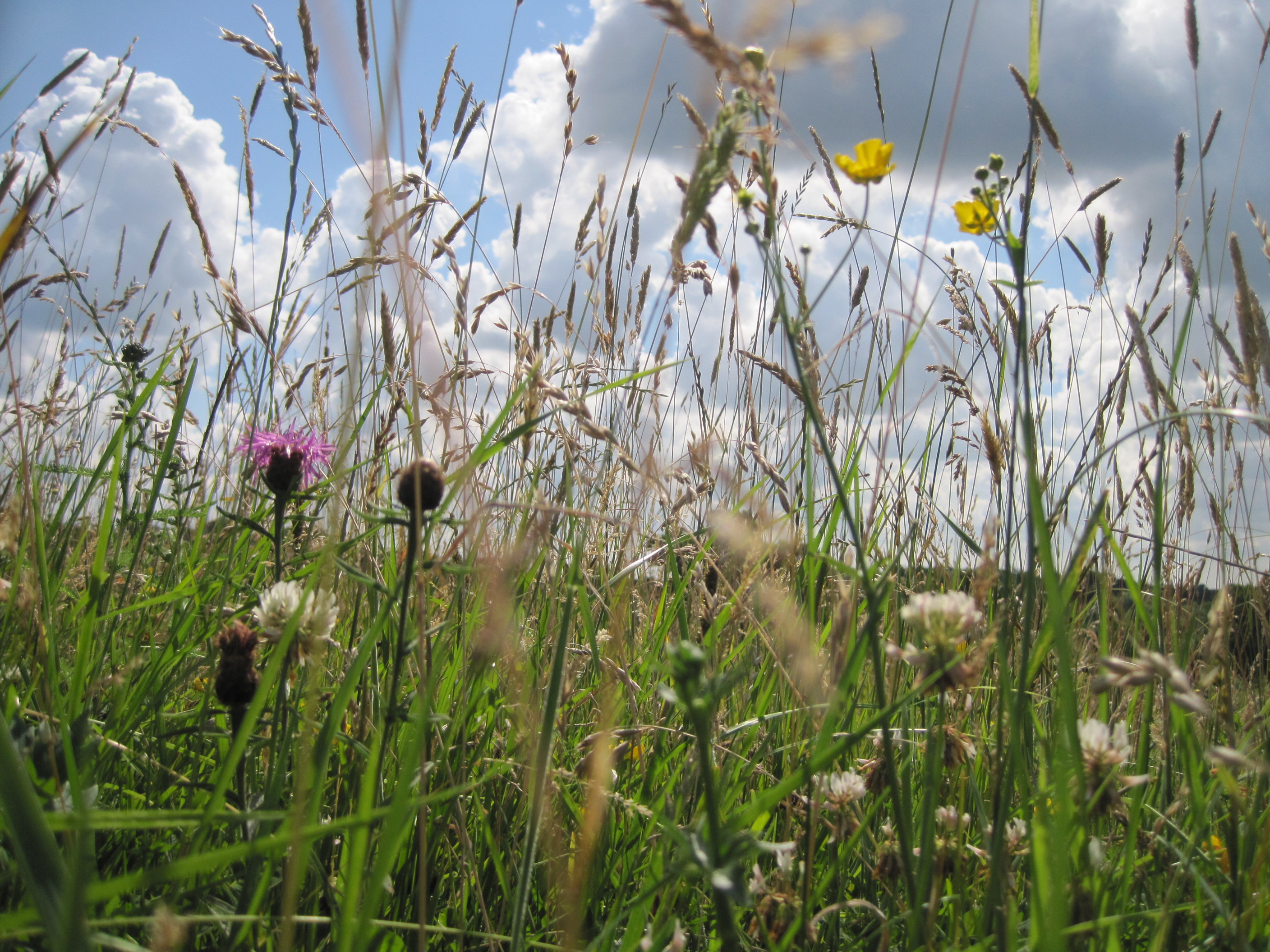
Many were identified in 1986, when it was recognised that the Sites of Special Scientific Interest and European protected sites held only some of the county’s important habitats. If we wanted to look after the rest of it we needed to know where it was, and let others know, so that it could be protected and managed wherever possible. Since then, Kent Wildlife Trust has been coordinating the Local Wildlife Site system. The system has evolved over time, following government guidance, and there is now a rigorous process for identifying and designating the sites. This is important, because although there are no laws protecting the sites, national planning policy sets out guidance for the conservation and enhancement of biodiversity, including Local Wildlife Sites. In order for us to be able to argue for their protection in the planning process, we need to be able to demonstrate exactly why they are important for wildlife and that there is a fair process for their identification and designation.
Alison is in charge of this work, which starts with a request to the landowner for permission to carry out a survey to assess the wildlife value of the site. Sites have to have particularly rare or threatened habitats, or significant numbers of rare and declining species, in order to qualify as Local Wildlife Sites. Existing sites are checked, ideally every 10 years (depending on funding availability) to make sure they still meet the criteria. Over the past few weeks we have completed the review of these criteria, which are now undergoing consultation. We have a small team of experts who survey sites for us, then Alison, assisted by her volunteer trainee, Hannah, checks the results and prepares a map of the site and writes the descriptive citation.
There is an extensive consultation process for new and updated sites and, all being well, the site is eventually approved by the board of the Kent Nature Partnership. It doesn’t stop there though, Alison has to make sure that all the planning departments of local councils have information about the Local Wildlife Sites in their areas, which is provided in GIS (Geographic Information System) format. Alison is our GIS whizz, and tackles all the complicated, techie bits. For people like me, who have yet to get to grips with it, this is the best description of what GIS is that I’ve come across: What is GIS?

We do a lot of work to try to ensure that these wonderful sites keep their wildlife, and to encourage their enhancement and many Local Wildlife Site owners work very hard to manage the sites so that they support the best wildlife possible. Richard Neame made a generous endowment to provide an award to recognise the efforts of those people managing the sites and the contribution they make to saving and improving Kent’s threatened wildlife. On Friday, our Chairman, Mike Bax, presented the Richard Neame Gold Award to the Bredhurst Woods Action Group, who have been looking after Bredhurst woods for 10 years, and achieved some amazing results. Neil, our senior land management adviser, has been working with the Group for several years, providing advice and support to help the group enhance woodland and chalk grassland habitats and it was nice to hear him mentioned several times during the evening. It has clearly been a very effective collaboration.

 The only way is wildlife